Blog / Seeger Toyota St. Louis Service

How Regular Oil Changes Keep Your Toyota Running Smoothly

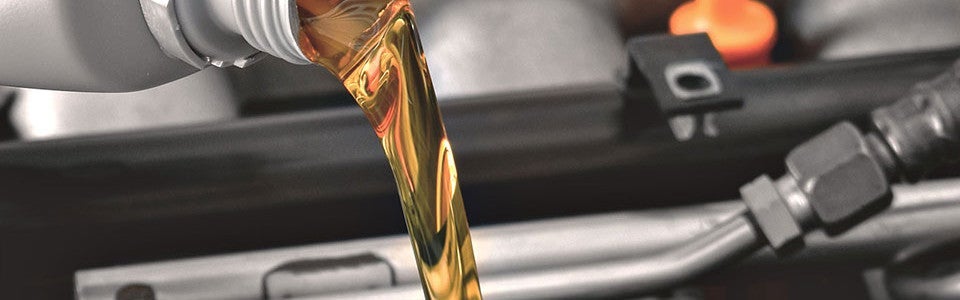
Toyotas are known for their reliability and longevity, but that reputation isn't achieved by magic. Regular oil changes are one of those under-the-hood maintenance tasks that play a huge role in ensuring every mile you drive is a smooth one. Fresh, clean engine oil is essential for the best efficiency, and you should get that new oil change from your Toyota Dealer.

Smoothness You Can Feel

Old, worn-out oil is like a heavy, abrasive mud for your engine's moving parts. It grinds, creates friction, and makes those tightly engineered components work harder than they should. This excess friction translates to a rougher running engine, which potentially becomes noticeable through vibrations or a decrease in responsiveness.

New oil, on the other hand, is like a silky-smooth lubricant, allowing those parts to glide effortlessly against each other. The reduction in friction makes a tangible difference in how smoothly your Toyota feels on the road.

Quieter Rides

Beyond smoothness, regular oil changes contribute to quieter engine operation. The constant symphony of parts moving inside your engine can become harsher when not properly lubricated. Fresh oil dampens the sound of metal-on-metal contact, promoting a more refined and pleasant driving experience, which is especially important in the generally quiet cabins of Toyota vehicles.

More Sporty Responsiveness

Oil changes also influence a Toyota's responsiveness and performance. When friction is reduced by clean oil, your engine uses less energy just to turn itself over. This translates to a bit more pep in acceleration and might even lead to a slight improvement in fuel efficiency. While the change might not be dramatic, it's part of the overall package that keeps a well-maintained Toyota feeling snappy.

A Longer Life

Regular maintenance, particularly oil changes, directly contribute to the longevity that Toyota is famous for. By preventing excessive wear on vital engine parts, you lower the risk of major breakdowns that could leave you stranded and facing hefty repair bills. A smoothly running engine is often a healthy engine, and healthy engines are known to run for hundreds of thousands of miles.

Get It Right at Your Toyota Dealer

Of course, it's important to remember that using the right oil, as recommended in your Toyota's owner's manual, is crucial. Toyota engineers design their engines with specific oil viscosity and types in mind, so the right oil ensures optimal performance for your specific model. And that's always the oil your dealership will use. They'll also use all OEM parts, like oil filters, to ensure things always run exactly as you expect.

Is ​it time for some pep in your Toyota's step? Come see us at Seeger Toyota of St. Louis, MO for help.

Posted in:

Related Posts

Smiling auto technician wearing safety glasses stands with arms crossed inside a modern auto repair shop, with vehicles on lifts and other mechanics working in the background.

Your Guide to Toyota Maintenance Intervals: Essential Services for Longevity, Safety, and Value

A maintenance interval is the scheduled time or mileage at which your Toyota vehicle needs specific services to ensure it remains running at its best. Owning a Toyota is an investment in reliability, but ensuring it continues running smoothly requires more than just filling the tank. Toyota vehicles come with carefully designed maintenance schedules that are critical to keeping your car running at its best. Understanding these key intervals is important, and following Toyota’s recommendations can significantly improve the safety, reliability, and resale value of your vehicle. more Why Toyota’s Maintenance Intervals Matter Toyota’s maintenance intervals are structured to keep your vehicle performing as it was designed, preserving its longevity and ensuring that you don’t face unexpected repairs. These intervals cover everything from basic tasks like oil changes to more involved services like brake inspections and fluid checks. Following these intervals helps prevent small issues from turning into big ones, saving you time, money, and stress down the road. Key Maintenance Intervals 5,000-Mile Interval: Oil Changes & Tire Rotation The first essential service interval, every 5,000 miles, focuses on foundational maintenance. At this stage, your Toyota gets an oil change to keep the engine running smoothly, fresh oil filters, and a tire rotation to ensure even wear on the tires. These basic tasks ensure your engine operates efficiently, and rotating the tires at this interval helps prevent uneven wear, saving you money on replacements in the long run. 15,000-Mile Interval: Brake Checks & Fluid Inspections At 15,000 miles, more systems require attention. Your brakes are checked to ensure they’re functioning well, as well as the fluid levels in your engine, transmission, and brake system. Cabin air filters are also checked to maintain air quality, ensuring your HVAC system is working efficiently. In places like Santa Maria, with its stop-and-go traffic, these checks are especially important for safety and comfort. The wear and tear on your vehicle’s systems can be more pronounced with frequent braking or long drives on coastal roads, making this maintenance interval critical. 30,000-Mile Interval: Engine Air Filter & Suspension Inspection By 30,000 miles, your Toyota will benefit from preventative services that protect vital systems. The engine air filter is replaced to ensure optimal airflow, while the suspension and steering components are checked for signs of wear. Living in Santa Maria, with its mixed driving conditions, including long highway trips and city driving, means the suspension takes on more wear and tear. Ensuring these systems are working properly preserves both your comfort and control while driving. 60,000 to 100,000-Mile Intervals: Major Services At the 60,000-mile mark, and again at 100,000 miles, Toyota recommends more extensive maintenance, including fluid changes for the transmission, differential, and cooling system. These are major services designed to keep your vehicle in top condition. In Central Coast driving, where coastal roads and variable temperatures put extra strain on your vehicle, following these recommendations ensures your car runs efficiently and stays reliable. Why Following Toyota’s Maintenance Intervals Improves Your Car’s Performance Adhering to these Toyota-recommended service intervals ensures your vehicle stays in excellent condition, preventing costly repairs and improving the overall safety and reliability of your car. Routine maintenance also plays a huge role in maintaining your vehicle’s resale value. When you take good care of your Toyota, you’ll find it easier to sell or trade it in down the road, as buyers value well-maintained cars. How Local Driving Conditions Impact Maintenance Driving in Santa Maria or the surrounding Central Coast areas means dealing with unique road conditions such as coastal air, highway driving, and stop-and-go traffic. These conditions can accelerate wear on your vehicle, making regular maintenance even more important. Frequent oil changes, tire rotations, and timely brake inspections are especially crucial when you're driving on coastal roads or commuting in traffic. Schedule Your Next Maintenance Appointment at Seeger Toyota St. Louis Regularly scheduled maintenance helps your Toyota stay in great shape for years to come. At Seeger Toyota St. Louis, we make it easy for you to keep up with your car’s needs. Whether it’s an oil change, brake check, or tire rotation, we’re here to help. Contact us today to schedule your next appointment and ensure your vehicle is always ready for the road ahead.

The Key to Longevity: Transmission Service for Your Toyota Vehicle

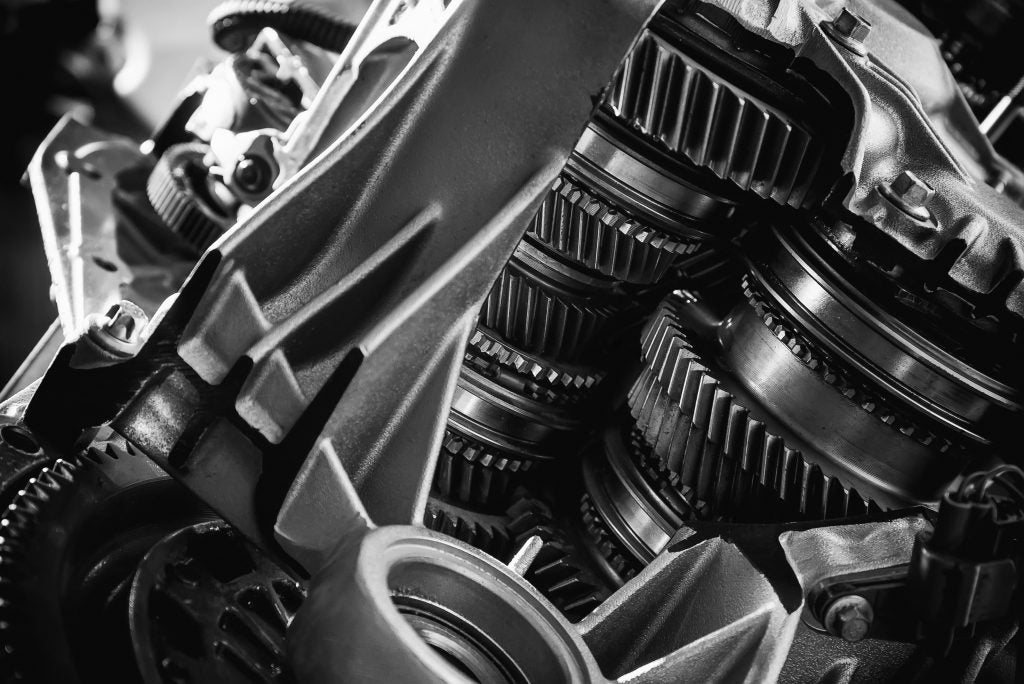
The transmission in your vehicle plays the crucial role of transferring power from the engine to each drive axle. A transmission in excellent condition will provide responsive acceleration and will maintain fuel-efficient speed on long freeway cruises. Learn when to schedule transmission service at your Toyota dealer to maintain your vehicle's performance. Servicing your transmission involves a comprehensive check for all parts of your transmission, such as the filter, pan, sump pump, and gasket. During your service appointment, a mechanic will also drain old transmission fluid, flush the transmission system, and fill the transmission with new fluid. How Often Should You Schedule Service at Your Toyota Dealer? Judging how often you need to service your transmission typically depends on how often you drive your car. While an oil change for most drivers should be scheduled at least twice a year, the average driver may only need to schedule a transmission maintenance appointment every 30,000 to 60,000 miles. more Drivers who spend a lot of time on the road, such as daily commuters or daily errand runners, may want to schedule service for the transmission every two years since the transmission is placed under more frequent stress. Drivers who seldom take their vehicle out on the road for long or local trips may only need service every four years to assess the health of the transmission. Automatic vs Manual Transmission The type of transmission your vehicle has can also dictate how often you should schedule service. Typically, a manual transmission will need service more often since these gears are more vulnerable to contamination from particles in the transmission fluid. For a manual transmission, service every two to three years is adequate. Automatic transmissions are designed to be more efficient and less stressful on the various gears. These transmissions also tend to use higher-quality transmission fluid that can last for 60,000 to 100,000 miles before service needs to be scheduled. If you aren't sure about the ideal service schedule for your vehicle, check your owner's manual. Why Is Changing Transmission Fluid Important? Transmission fluid is essential for a few reasons. This fluid is primarily used to lubricate the various gears in the transmission, so your gear shifting is smooth. Transmission fluid is also specially formulated to protect the transmission from corrosive build-up that happens over time and can also shield the transmission from excessive heat. Whether you have an automatic or manual transmission, regular service is vital for maintaining the ideal performance of your Toyota vehicle. Book a service appointment at Seeger Toyota St. Louis in St Louis, MO.

Car Battery

Getting a New Car Battery for Your Toyota

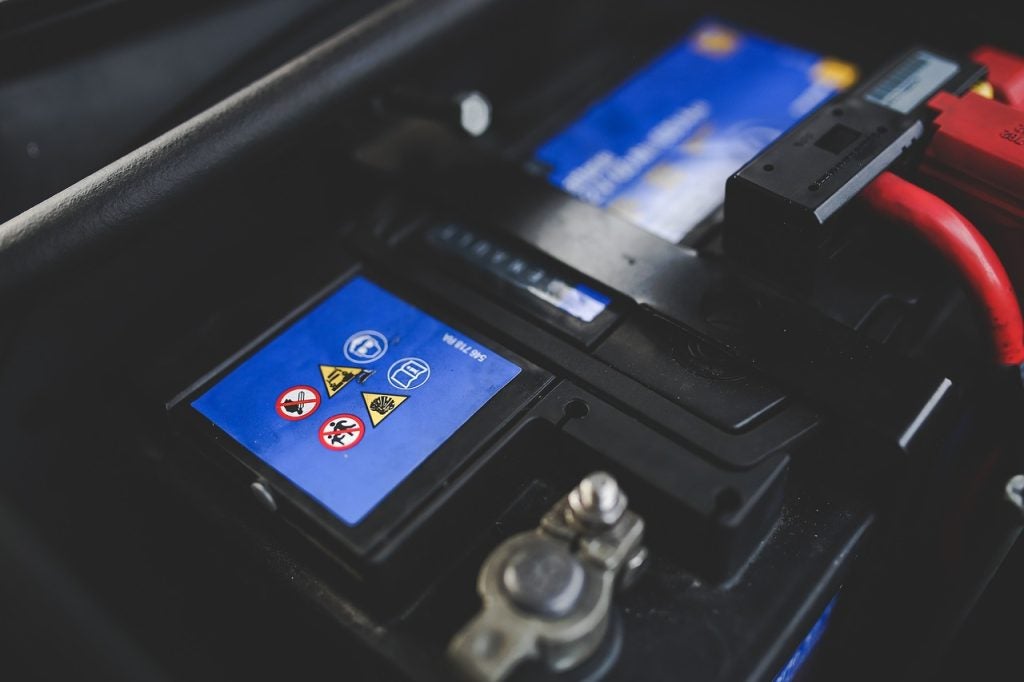
If you're the proud owner of a Toyota, you already know you're in for a reliable, enjoyable ride. But even the most dependable car needs a little TLC from time to time, and one of the key aspects of that is caring for your battery. When is it time to visit the Toyota dealer for a new car battery? Let's find out. Signs It's Time to Wave Goodbye to Your Old Battery Sluggish Engine Start When your car starts feeling a bit lazy, taking longer than usual to start, it's often the battery hinting that its best days are behind it. This is the first, classic sign that your battery is beginning to die on you. Don't wait until your car refuses to start at all to get a new battery. more Check Engine Light The check engine light comes on for a multitude of reasons, and one of them is that your battery is becoming too weak to do its job. If this light pops up, the best thing to do is bring your car in for a check-up. Our professional technicians can help you narrow down the source of the trouble and, if necessary, replace your ailing battery with a new one. Your Battery Is Too Old Batteries don't get better with age, unfortunately. Typically, a car battery has a lifespan of about 3–5 years. If yours is older than that, it might be time to start shopping for a replacement. Electrical Component Issues If your headlights seem dimmer or your electronic accessories like the radio and power windows are acting up, it could be your battery struggling to power them. The Dreaded Click While an occasional jump-start to get things going when someone left the dome light on by mistake is no reflection on your battery, if it can't start your vehicle without an obvious reason, it probably needs to be replaced. Choosing a New Car Battery Make sure you check your owner's manual for the right battery specifications, including size, type, and terminal positions. Extreme weather conditions can affect battery life and performance. Hot weather can cause your battery to wear out faster, while some batteries will struggle more to start in severe cold. Get Help at Your Toyota Dealer If that sounds complicated, don't worry. Just head down to the dealer! Your local dealership knows your Toyota inside and out. We can match your vehicle to the perfect battery, ensuring they are compatible. Your Toyota's battery is the heart of its electrical system. Keeping it running smoothly is key to a reliable, enjoyable drive. If you notice any signs that your battery is nearing the end of its lifespan, don't hesitate to get expert help. Visit Seeger Toyota to have your battery checked today.

tracking pixel