Blog / St. Louis Toyota Service

Blog

All St. Louis Toyota Service St. Louis Toyota Dealer Seeger Toyota St. Louis St Louis 2026 Toyota lineup Seeger Toyota St. Louis Service Things to do in St Louis Toyota Finance Toyota RAV4 St. Louis Used Cars Toyota® lineup 2026 Camry 2026 Camry and 2026 Grand Highlander Hybrid 2026 Corolla Cross 2026 lineup APR offers for 60 months Common Warning Icons Inflation and Interest Rates New vehicle at Seeger Toyota in Saint Louis, MO Pre-owned 4Runner RAV4 at Seeger Toyota St. Louis Tire inspections Tire Safety Toyota 4Runner Toyota Camry Toyota Corolla Toyota Dashboard Lights Toyota Financing Toyota GR Supra Toyota GR86 Toyota Prius Toyota RAV4 in Saint Louis Toyota Sequoia Toyota Sienna Toyota Tacoma Toyota Tacoma i-FORCE MAX Toyota's Maintenance Programs Used SUV Vehicle Comparison
Interior view of a vehicle, showcasing the dashboard with illuminated Toyota dashboard lights.

What Your Toyota Dashboard Lights Are Trying to Tell You

Toyota vehicles use dashboard lights to communicate important information to the driver. Understanding these icons can help you stay informed about your car’s systems and maintain safety on the road. This guide from Seeger Toyota of St. Louis in Saint Louis, MO, explains what the various lights mean and when to take action. more Meaning of Light Colors Toyota uses a color system to help drivers understand how urgent a light is. Red lights indicate a problem that needs immediate attention from the driver. Yellow or amber lights suggest that a system needs a check soon at a service center. Green and blue lights are for information and show that a feature is currently working. Ignoring a red warning light can lead to 1 or more serious mechanical issues. Common Warning Icons The check engine light is one of the most common indicators on the dashboard. This light can mean a gas cap is loose, or it can mean there is a problem with the engine. The oil pressure light looks like a small oil can. This icon means the oil pressure is too low for the engine to run safely. If this light appears, the driver should stop the car and check the oil level. The battery light shows a problem with the charging system in the vehicle. This may involve the battery, the alternator, or a wire that is loose. The temperature light means the engine is too hot. If the engine is overheating, the driver should stop the car to let the engine cool down. Safety System Indicators Toyota cars have many advanced safety features with their own icons. The tire pressure light looks like a tire with a symbol in the middle. This light turns on if 1 or more tires have low air pressure. Correct tire pressure helps with fuel use and safety on the road. The pre-collision system light shows the status of the safety sensors. If this light stays on, the system might need a technician to check it. The lane departure light turns on if the car moves out of its lane. This light shows if the system is on or if it needs service. Normal Operation Lights Some lights appear during normal driving and do not mean there is a failure. The seatbelt light and the door ajar light are examples of these signals. These lights tell the driver to take a quick action, like closing a door. Some lights appear for a short time when the car starts to check the internal systems. Service at Seeger Toyota If a light stays on and the driver is not sure what it means, they should visit a service center. Seeger Toyota of St. Louis in Saint Louis, MO, has staff who can find the cause of any dashboard light. Using professional tools ensures that the repair is done correctly. Regular maintenance helps keep your Toyota in good condition for many years.


Smiling auto technician wearing safety glasses stands with arms crossed inside a modern auto repair shop, with vehicles on lifts and other mechanics working in the background.

Your Guide to Toyota Maintenance Intervals: Essential Services for Longevity, Safety, and Value

A maintenance interval is the scheduled time or mileage at which your Toyota vehicle needs specific services to ensure it remains running at its best. Owning a Toyota is an investment in reliability, but ensuring it continues running smoothly requires more than just filling the tank. Toyota vehicles come with carefully designed maintenance schedules that are critical to keeping your car running at its best. Understanding these key intervals is important, and following Toyota’s recommendations can significantly improve the safety, reliability, and resale value of your vehicle. more Why Toyota’s Maintenance Intervals Matter Toyota’s maintenance intervals are structured to keep your vehicle performing as it was designed, preserving its longevity and ensuring that you don’t face unexpected repairs. These intervals cover everything from basic tasks like oil changes to more involved services like brake inspections and fluid checks. Following these intervals helps prevent small issues from turning into big ones, saving you time, money, and stress down the road. Key Maintenance Intervals 5,000-Mile Interval: Oil Changes & Tire Rotation The first essential service interval, every 5,000 miles, focuses on foundational maintenance. At this stage, your Toyota gets an oil change to keep the engine running smoothly, fresh oil filters, and a tire rotation to ensure even wear on the tires. These basic tasks ensure your engine operates efficiently, and rotating the tires at this interval helps prevent uneven wear, saving you money on replacements in the long run. 15,000-Mile Interval: Brake Checks & Fluid Inspections At 15,000 miles, more systems require attention. Your brakes are checked to ensure they’re functioning well, as well as the fluid levels in your engine, transmission, and brake system. Cabin air filters are also checked to maintain air quality, ensuring your HVAC system is working efficiently. In places like Santa Maria, with its stop-and-go traffic, these checks are especially important for safety and comfort. The wear and tear on your vehicle’s systems can be more pronounced with frequent braking or long drives on coastal roads, making this maintenance interval critical. 30,000-Mile Interval: Engine Air Filter & Suspension Inspection By 30,000 miles, your Toyota will benefit from preventative services that protect vital systems. The engine air filter is replaced to ensure optimal airflow, while the suspension and steering components are checked for signs of wear. Living in Santa Maria, with its mixed driving conditions, including long highway trips and city driving, means the suspension takes on more wear and tear. Ensuring these systems are working properly preserves both your comfort and control while driving. 60,000 to 100,000-Mile Intervals: Major Services At the 60,000-mile mark, and again at 100,000 miles, Toyota recommends more extensive maintenance, including fluid changes for the transmission, differential, and cooling system. These are major services designed to keep your vehicle in top condition. In Central Coast driving, where coastal roads and variable temperatures put extra strain on your vehicle, following these recommendations ensures your car runs efficiently and stays reliable. Why Following Toyota’s Maintenance Intervals Improves Your Car’s Performance Adhering to these Toyota-recommended service intervals ensures your vehicle stays in excellent condition, preventing costly repairs and improving the overall safety and reliability of your car. Routine maintenance also plays a huge role in maintaining your vehicle’s resale value. When you take good care of your Toyota, you’ll find it easier to sell or trade it in down the road, as buyers value well-maintained cars. How Local Driving Conditions Impact Maintenance Driving in Santa Maria or the surrounding Central Coast areas means dealing with unique road conditions such as coastal air, highway driving, and stop-and-go traffic. These conditions can accelerate wear on your vehicle, making regular maintenance even more important. Frequent oil changes, tire rotations, and timely brake inspections are especially crucial when you're driving on coastal roads or commuting in traffic. Schedule Your Next Maintenance Appointment at Seeger Toyota St. Louis Regularly scheduled maintenance helps your Toyota stay in great shape for years to come. At Seeger Toyota St. Louis, we make it easy for you to keep up with your car’s needs. Whether it’s an oil change, brake check, or tire rotation, we’re here to help. Contact us today to schedule your next appointment and ensure your vehicle is always ready for the road ahead.

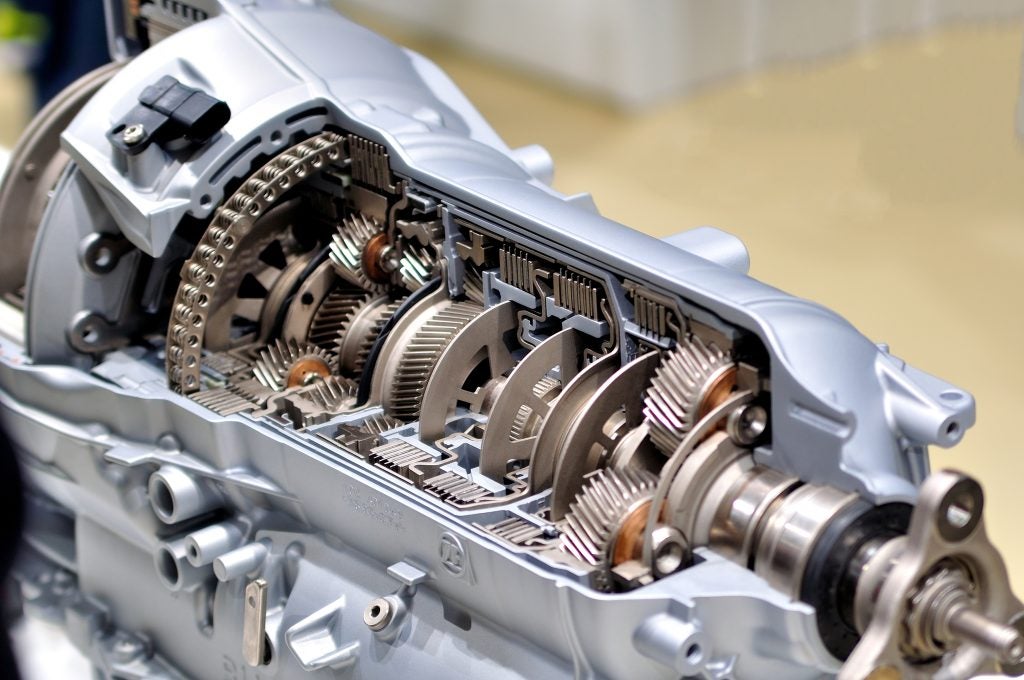
A transmission ready for Toyota service at Seeger Toyota St. Louis in St. Louis, MO

4 Signs Your Toyota Needs a Transmission Service

As long as your transmission fluid is always fresh, the gears should shift smoothly without any problems. However, any vehicle can experience occasional gearbox trouble. Here are five signs you need transmission service at your Toyota dealership. Your Gearbox Becomes Noisy When transmission fluid is low, you may hear the transmission grinding or whining. This complex piece of machinery can also emit humming, buzzing, or clicking when low on lubrication or malfunctioning. Apart from bad or leaking fluid, these noises could come from faulty parts in a planetary gear system, worn bearings, or a bad solenoid, which controls the flow of fluid. If you hear strange sounds from below, have the problem figured out and resolved before it gets worse. more You See Fluid Leaking Under Your Car The most urgent fluid problem is a leak. Leaking transmission fluid means a plummet in lubrication and hydraulic pressure, which leaves the gearbox unprotected and soon leads to all kinds of dysfunction. Transmission fluid is typically a red or light brown color, unless it's dirty, when it turns dark brown or even black. If you notice any fluid of this description puddling under your car, use the dipstick to check the transmission fluid's level and top it up or flush it. Your Gearbox Is Hesitant When Shifting Any type of problem inside the transmission will eventually impede your car's ability to shift gears. The first problem could be delays in engagement, where you find yourself waiting for several seconds for the new gears to lock in. When gears finally engage, the car might jolt or grind noisily. Your Engine Revs When You Shift Gears When a malfunctioning gearbox struggles to change gears or send power smoothly through to the wheels, the engine may start revving loudly. This jump in RPMs is your car struggling to get the wheels turning despite a problematic gearbox. Come to Our Toyota Dealership for Expert Transmission Repair Your Toyota's gearbox will be best-served by highly trained Toyota technicians. The professionals at our service center are familiar with all Toyota models and can have your car shifting smoothly and reliably again in record time. Visit Seeger Toyota St. Louis in St. Louis, MO, for prompt, courteous car service. Since 1969, we've been providing our customers with great vehicles and maintenance services.

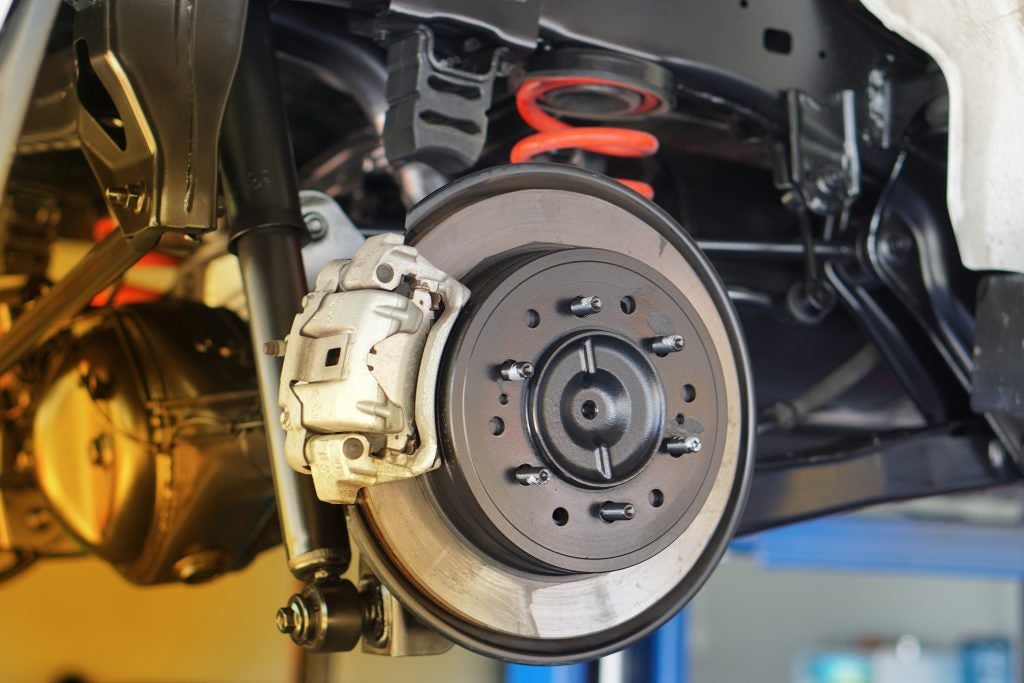
The Importance of Brake Inspections for Your Toyota

Keeping your Toyota's brakes in good shape is key to staying safe on the road and avoiding expensive repairs later on. Regular brake inspections at your Toyota dealer ensure everything's working as it should, and that can give you peace of mind. Why Brake Inspections Matter Safety First The most important reason to get your brakes inspected regularly is safety. Your brakes are crucial for stopping your car quickly and effectively. Regular inspections can catch wear and tear early, helping prevent brake failure and reducing the risk of accidents. more Save Money Routinely inspecting your brakes can save you money over time. Fixing small issues early on prevents them from becoming bigger, more expensive problems. For example, changing worn brake pads is a lot cheaper than fixing damaged rotors or an entire brake system. Consistent Performance A well-maintained brake system keeps your Toyota running smoothly. Brakes that perform consistently are vital for handling and control, especially in emergencies. Regular checks help make sure your brakes always stay responsive and reliable. Keep Your Warranty If you have a newer Toyota, following the recommended maintenance schedule is often necessary to keep your warranty valid. Skipping these checks could void your warranty, leaving you to cover expensive repairs yourself. Signs It's Time To Check Your Brakes at Your Toyota Dealer Squeaky, Squealing Brakes A high-pitched squeal when you brake usually means your brake pads are worn and need to be checked. This sound comes from a built-in wear indicator designed to alert you when it's time for new pads. Grinding When You Brake If braking prompts your car to make a grinding noise, your brake pads are probably worn completely out and metal is rubbing against metal. This can cause significant damage to your rotors and needs immediate attention. Shaking or Vibrating Brakes Feeling vibration in the brake pedal when you stop? You might have warped rotors. This often happens if you've used worn-out brake pads for too long. Pulling to One Side If your car pulls to one side when you brake, it could mean your brake pads have worn unevenly, or there might be an issue with your calipers. This issue affects your braking, but it also makes steering harder, which can be dangerous. Soft, Spongy Brake Pedal Does your brake pedal feel squishy when you press it? That could mean there's air in the brake lines or an issue with the brake fluid in your car. This should be checked out right away because it can seriously impact your ability to stop. By paying attention to signs of trouble with your brakes and getting them checked regularly, you can avoid major issues and keep your car running smoothly. Ready to get your brakes checked? Call Seeger Toyota St. Louis in St. Louis, MO, to schedule your appointment today.

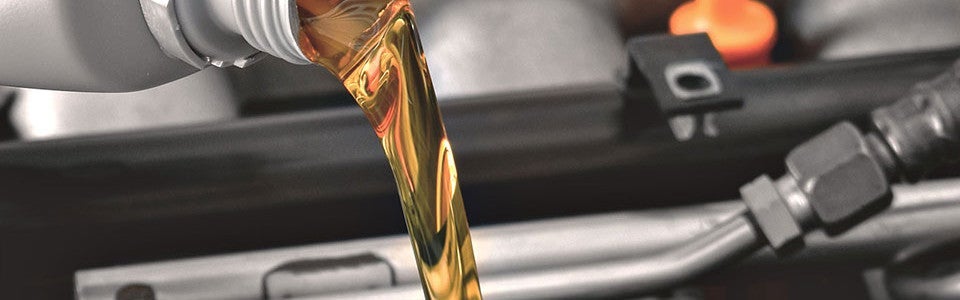
How Regular Oil Changes Keep Your Toyota Running Smoothly

Toyotas are known for their reliability and longevity, but that reputation isn't achieved by magic. Regular oil changes are one of those under-the-hood maintenance tasks that play a huge role in ensuring every mile you drive is a smooth one. Fresh, clean engine oil is essential for the best efficiency, and you should get that new oil change from your Toyota Dealer. Smoothness You Can Feel Old, worn-out oil is like a heavy, abrasive mud for your engine's moving parts. It grinds, creates friction, and makes those tightly engineered components work harder than they should. This excess friction translates to a rougher running engine, which potentially becomes noticeable through vibrations or a decrease in responsiveness. more New oil, on the other hand, is like a silky-smooth lubricant, allowing those parts to glide effortlessly against each other. The reduction in friction makes a tangible difference in how smoothly your Toyota feels on the road. Quieter Rides Beyond smoothness, regular oil changes contribute to quieter engine operation. The constant symphony of parts moving inside your engine can become harsher when not properly lubricated. Fresh oil dampens the sound of metal-on-metal contact, promoting a more refined and pleasant driving experience, which is especially important in the generally quiet cabins of Toyota vehicles. More Sporty Responsiveness Oil changes also influence a Toyota's responsiveness and performance. When friction is reduced by clean oil, your engine uses less energy just to turn itself over. This translates to a bit more pep in acceleration and might even lead to a slight improvement in fuel efficiency. While the change might not be dramatic, it's part of the overall package that keeps a well-maintained Toyota feeling snappy. A Longer Life Regular maintenance, particularly oil changes, directly contribute to the longevity that Toyota is famous for. By preventing excessive wear on vital engine parts, you lower the risk of major breakdowns that could leave you stranded and facing hefty repair bills. A smoothly running engine is often a healthy engine, and healthy engines are known to run for hundreds of thousands of miles. Get It Right at Your Toyota Dealer Of course, it's important to remember that using the right oil, as recommended in your Toyota's owner's manual, is crucial. Toyota engineers design their engines with specific oil viscosity and types in mind, so the right oil ensures optimal performance for your specific model. And that's always the oil your dealership will use. They'll also use all OEM parts, like oil filters, to ensure things always run exactly as you expect. Is ​it time for some pep in your Toyota's step? Come see us at Seeger Toyota of St. Louis, MO for help.

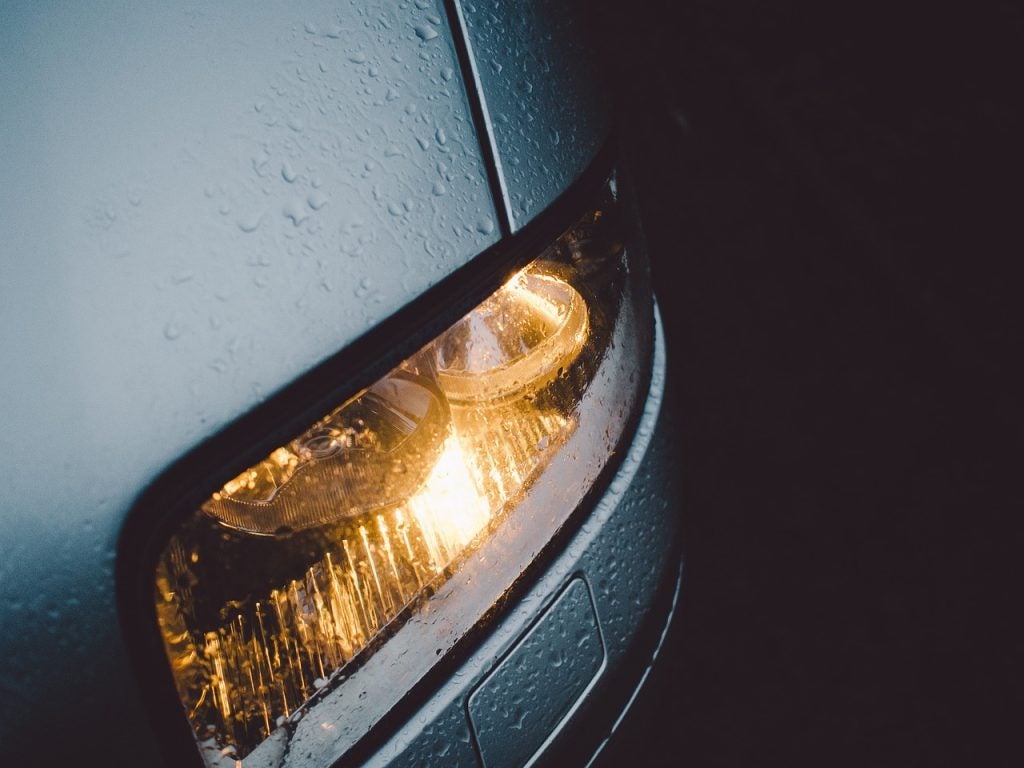
Time for New Headlight? Visit Your Toyota Dealer

If you're driving a Toyota, you're already aware of the reliability and efficiency that come with these cars. But even the most dependable vehicles require maintenance, and that includes your headlights. Not sure if it's time for some new headlights? Here are the signs you might need a fresh pair from your Toyota dealer. Headlights Are Getting Dimmer One of the first signs that your headlights may be in trouble is a noticeable decrease in brightness. Over time, your headlights can dim gradually, making it harder to see the road ahead during night driving. If you notice that your headlights aren't lighting up the road as brightly as they used to, it may be time to have them replaced. more Flickering Lights If your headlights are flickering, don't ignore it. This may signal a power supply issue, such as loose wiring or a malfunctioning bulb. Constant flickering is not only irritating but can also be a distraction to other drivers on the road. Plus, flickering lights may fail suddenly, leaving you in the dark. If your headlights are flickering, it's best to have them checked out by a professional. Uneven Lighting Have you noticed that one headlight seems dimmer than the other, or that they're not aligned properly? Uneven lighting can compromise your ability to see the road clearly. This can occur due to aging bulbs or an issue with your headlight assembly, and you shouldn't wait to get it fixed. Cracks or Damage to the Headlight Lens Physical damage to your headlights, like cracks, can significantly affect their performance. Cracks can allow moisture to enter, leading to fogging and further damage. In such cases, it's often necessary to replace the entire headlight unit. Frequent Bulb Replacement If you find yourself replacing the headlight bulbs more frequently than normal, this could indicate an issue with the headlight assembly or electrical system. While bulbs do burn out eventually, burnout in less than a year may signal an underlying issue. Poor Visibility While Driving Trust your own experience. If you're having a hard time seeing at night or during inclement weather, your headlights are not doing their job. Reduced visibility for any reason can pose a hazard, so it's important to address the issue promptly. Visit Your Toyota Dealer for New Headlights When it's time for a fresh set of headlights, your local dealership is a great place to start. With access to genuine Toyota parts, we can ensure that any replacements are perfectly matched to your vehicle model. Our technicians are specially trained to handle Toyotas, so we can expertly install your headlights for optimal performance. Maintaining your Toyota's headlights is about more than visibility, it's about safety. Whether you're noticing a decrease in brightness, experiencing flickering lights, or seeing visible damage, don't hesitate to visit the dealership for help. Call Seeger Toyota St. Louis today and schedule your service appointment.

Contact Us

Fill out this form below and we'll contact you shortly
*Required Fields
tracking pixel